

Measles in Australia

Measles, being one of the most infectious of all communicable diseases, is causing health authorities to fear a severe outbreak of the disease in Queensland, with 41 confirmed before July 2014. In March 2015, two Brisbane residents have been diagnosed on separate occasions.
Below is information which details what the measles virus is and how you can prevent or control the infectious disease in the chance you are exposed to it.
Disclaimer: This information is not to be taken as medical advice. If you have any questions or concerns in regards to the measles outbreak in Queensland, please contact you nearest medical centre and/or staff.
Measles is an acute, highly infectious illness caused by the measles virus. It can lead to serious complication such as pneumonia (lung infection) and encephalitis (inflammation to the brain). It can also cause middle ear infection.
Due to the flu-like symptoms that measles produces, the virus is often left undiagnosed until the signature red, blotchy rash appears. Measles begins with symptoms such as:
These symptoms usually become more severe over three days. The cough is usually worse at night and by the fourth or fifth day, small white spots on a red base in the mouth and inside of the cheek appear.
This is then followed by a blotchy, dark red rash, quiet often beginning at the hair line and spreading over the entire body. The rash is accompanied with a extreme fever which, in combination last about 6 days.
Measles is one of the most infectious of all communicable diseases.
The virus is spread from an infectious person during coughing or sneezing or through direct contact with secretion from the nose or mouth. A person is infectious for FIVE DAYS before the onset of the measles rash, and about FOUR DAYS after the rash appears.
Immunisation against measles is recommended as part of the National Immunisation Program Schedule.
Those who are required to receive the Measles Mumps Rubella (MMR) vaccine (free of charge) include:
Adults that were born or since 1966 who have not received two doses of the MMR vaccine are also eligible for the free vaccine. Two doses of the vaccine is necessary to provide a high level of protection.
The current measles outbreak affecting Queensland since September 2013, is concerning as Queensland residents aged in their late 30s or early 40s may not have received the required second dose of the MMR vaccine. This is because it had not yet been included in the state's child vaccination schedule when these people were aged 12 or 18 months.
Vaccination, through the MMR vaccine is the only way to prevent measles.
The treatment of measles is also limited, but usually treated with with rest, plenty of fluids, and paracetamol to lesson the pain of fever. Australia Wide First Aid advises you to follow the medical advice of your GP or Hospital Staff.
People with Measles should be excluded from work, school, or childcare centres for at least four days after the appearance of the rash.
Anyone who has been in contact with a person with measles (such as sisters, bothers, parents or nannies), and have not been vaccinated or has any condition that compromises the immune system, should be excluded from work, school, or childcare for 14 days from the day the rash appeared on the person diagnosed with measles.
If an un-vaccinated person receives the MMR vaccine within 72 hours of their first contact with the original person with measles, they may return to work, school or childcare.
If you have any concerns, or know of someone displaying the signs and symptoms of measles, please contact your closest medical centre and/or staff.
March 11, 2022
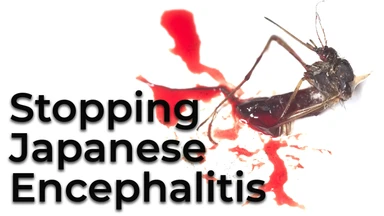
The virus threat that Australians need to worry about now is Japanese Encephalitis. It has already claimed the lives of one man in Victoria and another man in NSW.

March 17, 2020
Australia Wide First Aid Training Courses can be rescheduled at no additional cost for anyone with COVID-19 concerns
February 24, 2022
We are committed to the safety of our students, their loved ones, and the wider community. As such, we have implemented safety recommendations to reduce the spread of COVID-19.