

Mental Health and Sleep: The Connection

Most people know that getting a good night’s sleep is important for your mental health, but what many people don’t know is that Mental Health can also have a big impact on sleep.
In fact, one of the most common symptoms of Mental Health issues is difficulty sleeping.
This can manifest in a number of ways, from insomnia and restless sleep to excessive tiredness during the day.
There are three types of sleep disturbances that can be caused by Mental Health problems:
There is a strong link between Mental Health and sleep because they both affect the brain.
Mental Health problems can cause changes in the brain that make it difficult to sleep, and sleep problems can worsen Mental Health problems.
For example, insomnia can cause anxiety and depression, and anxiety and depression can cause insomnia.
Mental Health can affect sleep in a number of ways:
There are many Mental Health issues that can interfere with sleep, but some of the most common are:

Sleep is essential for our Mental Health for a number of reasons. Firstly, it gives our brains a chance to rest and repair.
During sleep, our brains are able to process information and store memories more effectively. Secondly, sleep helps to regulate our moods. Lack of sleep can lead to irritability, anxiety and depression. Finally, sleep deprivation can impact the immune system, making us more susceptible to physical illnesses.
Sleep also has a strong impact on Mental Health:
Good sleep hygiene is essential for a good night's sleep. But what is sleep hygiene, and why is it so important?
Sleep hygiene is the term used to describe the habits and practices that are necessary to have good quality sleep. Poor sleep hygiene can lead to difficulty falling asleep, restless sleep, and daytime fatigue.
There are a number of ways to build positive sleep hygiene:
Education bridges the gap between misunderstanding and empathy in mental health. When we lack proper education, stigmas thrive, and those in need may suffer in silence.
Just as we prioritise physical health, mental health deserves equal attention. Learning to spot the warning signs of mental health challenges early can lead to timely intervention, often preventing crises that could have severe consequences.
A Mental Health Support Course empowers you to recognise and respond effectively to those who may be experiencing difficulties, offering them the care they need to recover.
Mental Health and sleep are closely linked. Mental Health problems can cause changes in the brain that make it difficult to sleep, and sleep problems can worsen Mental Health problems.
There are a number of ways to build positive sleep hygiene, which can help improve Mental Health and sleep. If you are struggling to sleep, seek professional help.
And to learn how to confidently and effectively assist those in a health crisis, book a First Aid course with us today.
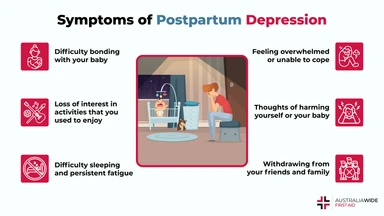
September 23, 2022
Postpartum depression is a type of clinical depression that can occur up to 12 months after childbirth . It can trigger feelings of worthlessness and persistent fatigue. However, there are numerous coping tips available to help you feel more like your old self.
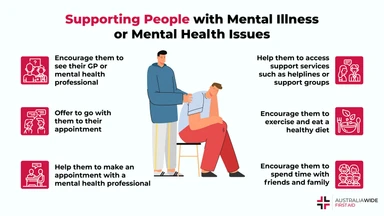
September 16, 2022
Mental health issues refer to any kind of problem with how we think, feel, or behave, while mental illness refers to diagnosable health conditions. There are numerous differences between the two, including their symptoms and treatments.

September 15, 2022
During the holidays, some people can experience feelings of stress, loneliness, and depression. This condition is colloquially termed the 'holiday blues'. However, there are several coping tips available to help you enjoy the holiday season.