

Sudden Cardiac Arrest First Aid

Cardiac arrest is a medical emergency. Chances of survival diminish rapidly and result in death within 10 minutes. Quick intervention is needed within the first few minutes.
Administering first aid treatment by means of CPR (cardiopulmonary resuscitation) and an AED (automated external defibrillator) will give the victim the best chances of survival until medical emergency services arrive and take over.
Even if you have not been trained in CPR first aid, any attempt at resuscitation is better than no attempt.
Every minute counts, literally. Waste no time.
Continue CPR until the ambulance arrives. Follow the guide below on how to perform CPR on an adult, child or infant.

Cardiac arrest is caused by an electrical malfunction in the heart muscle. The heart's normal pumping action is disrupted and blood circulation throughout the body fails. Oxygenated blood is suddenly unavailable to vital organs — in particular the heart and brain.
The heart’s sudden inability to pump blood around the body leads to cardiac arrest, causing the heart to stop completely.
The person in cardiac arrest will lose consciousness and stop breathing. Without chest compressions and the use of a defibrillator, they will not survive.
Cardiac arrest is not the same as heart attack.
A person experiencing a heart attack may feel chest pain, but they will usually be alert and breathing.
A worsening heart attack sometimes leads to cardiac arrest. There’s a good chance this can be prevented if first aid treatment is administered within 10 minutes of symptoms, to the person experiencing the heart attack.
Cardiac arrest is closely linked with sudden chest pain.
It is unlikely that a sudden cardiac arrest will have any preceding telltale signs that one is looming.
A person in cardiac arrest will:
Cardiac arrest can happen anywhere, at any time.
Most cardiac arrests that occur out of the hospital, occur in people’s homes.
More than 30,000 Australians a year suffer a cardiac arrest out of the hospital. Fewer than 10% will get to leave the hospital and go home.
 Prompt first aid treatment dramatically improves the odds.
Proficient application of CPR/defibrillation is needed as soon as possible after the collapse in order to restart brain activity. If this is not done, life after a cardiac arrest will likely be impacted by brain damage.
After a cardiac arrest, doctors will try to determine its cause. This will allow them to prescribe appropriate treatment options to reduce the risk of further episodes.
Thanks to the quick action of a bystander calling 000, and starting chest compressions and defibrillation (AED), many cardiac arrest survivors go on to live healthy, fulfilling lives.
Disclaimer: This article is for informational purposes only. It does not constitute, replace, or qualify as any form of first aid training.

July 7, 2014
Many celebrities are reported to have passed away due to cardiac events but there are very few famous cases of survival. This article tells of 10 well-known people who succumbed to sudden cardiac arrest and one very lucky survivor.
November 19, 2021
The more risk factors you have for coronary heart disease, the greater your chance of developing it. In Australia, 90% of people have at least one risk factor for heart disease.
November 18, 2021
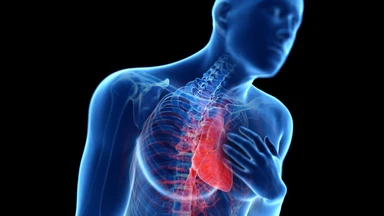
Men are more likely than women to have a heart attack, as well as more likely than women to have a heart attack earlier in life. Symptoms can vary from person to person. Do not ignore early symptoms. Even when you’re not sure, seek emergency care right away.