

The Impact of Mental Health Stigma on Society

Mental health stigma is a problem that exists in our society due to a lack of understanding about mental disorders.
It can have a number of negative impacts on those who live with mental disorders and on society as a whole. Education is key to combatting mental health stigma.
Showing compassion and understanding towards those with mental disorders can also go a long way in combatting mental health stigma. If you think you may have a mental disorder, it is important to seek help. There are many organisations that work to combat mental health stigma and they need our support.
Mental health stigma has been around for a long time. It is only recently that mental disorders have been taken more seriously by the medical community and society in general.
Mental health stigma can be defined as negative attitudes, beliefs or behaviours directed at people who have mental disorders.
Stigma exists for mental health issues due to a lack of understanding. The media often portrays people with mental disorders as dangerous, violent or unstable.
This can lead to people feeling afraid of those with mental disorders and can fuel discrimination. Some of the most common reasons this exists are:
Fundamentally, mental health stigma eventuates from a lack of understanding mental health issues and faulty beliefs that mental health is a personal issue rather than a genuine medical condition.
Mental health stigma can have a number of negative impacts on those who live with mental disorders and on society as a whole.

There are a number of things that can be done to combat mental health stigma.
To nurture a society that values mental health, education must take centre stage. Without it, stigma and misinformation can prevent people from seeking or offering help when it’s most needed.
Mental health deserves the same attention as physical health. Learning to detect early warning signs of mental ill-health can pave the way for timely assistance, preventing situations from escalating into critical events.
Completing a Mental Health Support Course provides the essential tools to recognise mental health struggles and confidently support those in need.
If you would like to learn more about preventing, identifying, and managing the symptoms of mental health issues, check out the following articles in our Resource Library:
September 26, 2022
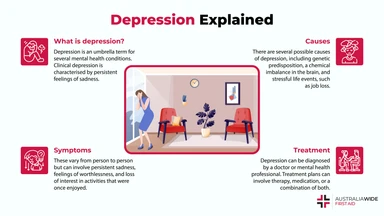
Depression is a type of mental health condition generally characterised by persistent low moods. Depression is more than just feeling sad - it can have a significant impact on people's livelihoods. However, there are several treatment options available.
September 24, 2022
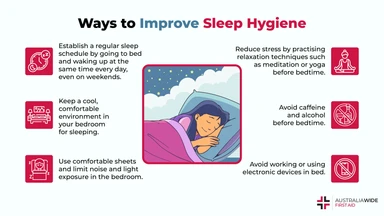
The connection between mental health and sleep is reciprocal. Just as mental health conditions can impact the quality of sleep, poor sleep can trigger mental health conditions. However, there are ways to improve your sleep quality.
September 23, 2022
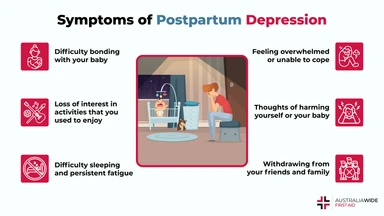
Postpartum depression is a type of clinical depression that can occur up to 12 months after childbirth . It can trigger feelings of worthlessness and persistent fatigue. However, there are numerous coping tips available to help you feel more like your old self.